Brain Surgery When Can You Drive Again
Driving after encephalon injury can exist a complex issue. The severity of the TBI and the unique secondary furnishings that follow volition determine whether or not you lot can become back behind the cycle safely.
Most people that sustain a balmy TBI or concussion are able to drive shortly after their injury. However, those experiencing moderate to severe secondary effects may need rehabilitation before attempting to drive.
This article will hash out which signs to look for when determining if you tin can drive over again after a brain injury. Before driving once more, however, information technology is essential to piece of work closely with your medical team and your local driving agencies. This volition ensure non just your own rubber merely the rubber of everyone else on the route likewise.
At the finish of this article, you'll find which rehabilitation steps you must take to ameliorate your chances of passing a driving examination and getting back behind the bike.
Y'all can use the links below to leap straight to whatever section:
- When Is Information technology Safe to Drive Once more After Encephalon Injury?
- Assessing Signs that a Person Should Not Drive After a Encephalon Injury
- How Your Dr. or Driving Instructor Assesses Your Power to Bulldoze After TBI
- Adapting Your Car for Driving Later Caput Injury
- Driving Rehabilitation Techniques
Is It Safe to Drive Again After Brain Injury?
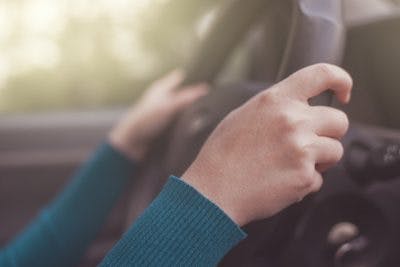
Later on any brain injury, even a mild concussion, doctors recommend that you take some fourth dimension off from driving. This can permit yous to give your brain a chance to heal.
How long you lot should expect depends on the type of traumatic brain injury y'all experienced. Co-ordinate to the most common guidelines:
- If y'all take a balmy caput injury, such as a concussion, doctors recommend yous waitat least 24-48 hours before driving again.
- If y'all suffered a more serious encephalon injury, particularly ane that required a hospital stay, doctors suggest waiting 6-12 months before attempting to drive again.
Subsequently you have waited the recommended time, you should consult your md, who will appraise your driving fitness.
Your doctor will look for whatsoever lingering physical, visual, or cognitive problems that can impair your driving skills. At that place are v major challenges that your doctor will consider earlier allowing you to get behind the wheel subsequently a brain injury.
1. Physical Impairments
Hemiplegia or hemiparesis, which causes paralysis or weakness on i side of the trunk, is one of the near common results of TBI and perchance the biggest obstacle to driving afterward a encephalon injury. When a brain injury damages the main motor cortex, it can cause severe weakness in your hands, artillery, legs, or even body.
Other physical effects that tin make information technology unsafe to drive include severe headaches, sensory bug, and dizziness. In addition, spasticity is another common consequence of brain injury, and can greatly restrict move, making it difficult to drive.
Fortunately, many of these challenges can be overcome with adaptive driving equipment and therapy. An effective rehabilitation practice programme may help you regain muscle motility and force and permit you go back on the road sooner.
ii. Visual Deficits

Many TBI survivors suffer from some sort of vision trouble. Since healthy vision is necessary for driving safely again, treating any visual deficits you may take is critical.
Some of the diverse vision problems you lot might feel after a encephalon injury include:
- Blurred or double vision
- Problems with depth perception
- Loss of cardinal vision
- Loss of peripheral vision
- Hemianopsia/ Visual Field Cutting (loss of vision in half of the visual field)
Vision therapy and center exercises can often treat these issues. However, you must wait until you have been cleared by a medical professional and your local driving agency (in the U.s.a., that's the DMV) earlier attempting to drive once more after a brain injury.
iii. Cognitive Impairments
Driving a motorcar not only requires physical strength and endurance, it also takes a significant amount of mental stamina. Cerebral skills needed to drive safely afterwards brain injury include retentivity, concentration, trouble-solving, multi-tasking, and system.
Unfortunately, a encephalon injury tin can impair all these skills, which volition make driving too dangerous for some TBI survivors. However, by practicing cognitive grooming, you can improve your cognitive abilities and get closer to driving again after TBI.
four. Post-Traumatic Fatigue

Another common effect of encephalon injury that could impair your driving abilities is fatigue.
Post-traumatic fatigue can make it hard to stay focused on the route or make quick judgments. In astringent cases, information technology may even cause you lot to autumn asleep at the cycle.
Therefore, information technology is important to brand certain your fatigue is under control before you kickoff to drive afterwards a TBI. While it may seem impossible at first, there are constructive ways to overcome fatigue after brain injury.
v. Epilepsy
According to data from the CDC, about five-x% of TBI patients volition experience a seizure after a head injury. Some may even proceed to experience multiple seizures and developpost-traumatic epilepsy.
If you only feel one seizure afterwards your TBI, you virtually likely can still drive, as long as you take no other impairments and are cleared by a doctor. However, if you do develop epilepsy, it volition be more than difficult to get a driver's license approved.
Assessing Signs that a Person Should Not Drive Subsequently a Brain Injury
There are some signs yous can expect for to become an idea of whether or non you lot tin can drive after a brain injury. These are full general guidelines and you should always consult with a medical professional before attempting to drive.
It's important to look for these signs yourself, if y'all are a TBI survivor. And it'southward also necessary for caregivers to look out for these signs too, as brain injuries can sometimes impair a person's self-awareness near how their abilities have changed.
As a result, some TBI survivors might not realize that they are non fit to drive anymore. Therefore, family members and caretakers should watch carefully for signs that the person is not fix to drive after brain injury.
Here are some signs that indicate when a TBI survivor should not bulldoze:
- Needing instructions from passenger
- Easily frustrated or confused
- Drifting across lanes
- Getting lost in their own neighborhood
- Driving faster or slower than the posted speed
- Making slow or poor decisions
- Difficulty managing steering bicycle or other controls within the car
If y'all brandish any of these signs, it'southward imperative to avoid driving until you tin can get evaluated by a driving rehabilitation specialist.
How Your Md or Driving Instructor Assesses Your Power to Drive Afterwards TBI

Your dr. or therapist can perform a few quick tests in the office to gauge your driving abilities. These tests include:
- Road sign recognition test. This examination assesses visual comprehension and traffic knowledge.
- A compass task. These can examine visual vigil, cognitive agility, and attention skills.
- A trail making examination. Trail making tests evaluate visual-motor tracking and visual scanning abilities. For case, your therapist might ask you lot to depict a line beyond the page connecting diverse messages and numbers.
Depending on the state you reside in, a doctor's approval might be all you need to return to driving. Only some states do require caput injury patients to as well pass an on-road driving examination.
If yous do non pass your initial exam, you may exist eligible to apply adaptive equipment, which tin help restore your ability to drive later on brain injury.
Adapting Your Car for Driving Later on Caput Injury
If yous take chronic physical limitations after your brain injury, at that place are still ways you can return to driving. In fact, it'due south possible to conform your automobile in means that tin allow yous to drive after a TBI.
There are a variety of tools that tin aid brand driving attainable for those with physical complications. Some examples of car adaptations yous tin have advantage of include:
- Spinner wheels. These adhere to your steering bike to allow a person to engage in one-handed steering
- Left-foot accelerators. This allows patients with right side impairments to utilise the gas pedals
- Swivel seats. These can assistance y'all in entering and exiting your motorcar
In addition to these tools, there are several other means to arrange your car to encounter your needs. Talk to an occupational therapist for a full list of machine adaptations that may be right for yous.
Driving Rehabilitation Techniques

While adaptive equipment might help some TBI survivors get back on the road, it'southward of import to recognize that they are compensation strategies. Therefore, rehabilitation should be pursued to prevent overreliance on adaptive techniques.
Fortunately, the brain possesses a remarkable ability to repair itself and recover lost part through a process known as neuroplasticity. Neuroplasticity helps the encephalon rewire neural pathways and enables intact portions of the brain to take over functions from damaged ones.
Therefore, even if you have lost forcefulness in your arm or leg, or you lot have difficulties with attending or vision, it is still possible to regain those abilities and recover the skills y'all need to drive.
You can activate neuroplasticity through intensive, therapeutic exercise. Some therapies that tin explicitly address the abilities needed to drive over again subsequently a brain injury include:
- Vision therapy.Eye exercises can help restore visual clarity and scanning skills subsequently a TBI. Work with a vision specialist who tin can diagnose your unique vision problems and recommend the best exercises.
- Cognitive exercises.Practicing certain cognitive exercises such as memory games can engage neuroplasticity and boost the mental abilities you demand in lodge to drive.
- Foot drop exercises. Foot drop can significantly impair driving skills. Fortunately, foot drib exercises can help you overcome this event, which will let yous to utilize your car gas and brake pedals once more.
Finally, physical and occupational therapy exercises can help you recover motor part in your arms and legs, but it's important to practice these exercises every mean solar day. In fact, recent research indicates that information technology can take nearly 400-600 repetitions to effect changes in the brain. This is oftentimes more than a patient can perform during weekly therapy sessions.
That's why devices such as Flint Rehab's FitMi home therapy are helpful for patients who wish to drive again after their brain injury. FitMi engages the whole body and helps the patient reach 23 times more repetitions than traditional therapy. This may allow you lot to get back on the road sooner.
Learning to Drive Safely Again Subsequently Brain Injury
For many people, driving after brain injury represents the ultimate goal of recovery. The freedom to go where you want, when you want, is a crucial aspect of independence that anybody wishes to hold on to.
We hope this article has shown you that, with the right rehabilitation and grooming, driving again later on TBI is certainly a possibility.
But information technology's as well important to remain realistic. Driving is a dangerous activity, and if your cognitive or physical abilities are too impaired, you tin jeopardize the lives of both yourself and others.
That's why the all-time way to ensure that you can safely bulldoze again after brain injury is to consult an occupational therapist. These specialists tin identify the areas where you lot need to better and help you navigate the often complex driving rehabilitation process.
Featured Image: ©iStock/dusanpetkovic
mitchellobace1984.blogspot.com
Source: https://www.flintrehab.com/driving-after-brain-injury/
0 Response to "Brain Surgery When Can You Drive Again"
Post a Comment